ROMULUS, Mich. — Immigration and Customs Enforcement is walking back one of its most ambitious detention expansion plans, according to documents reviewed by The New York Times.
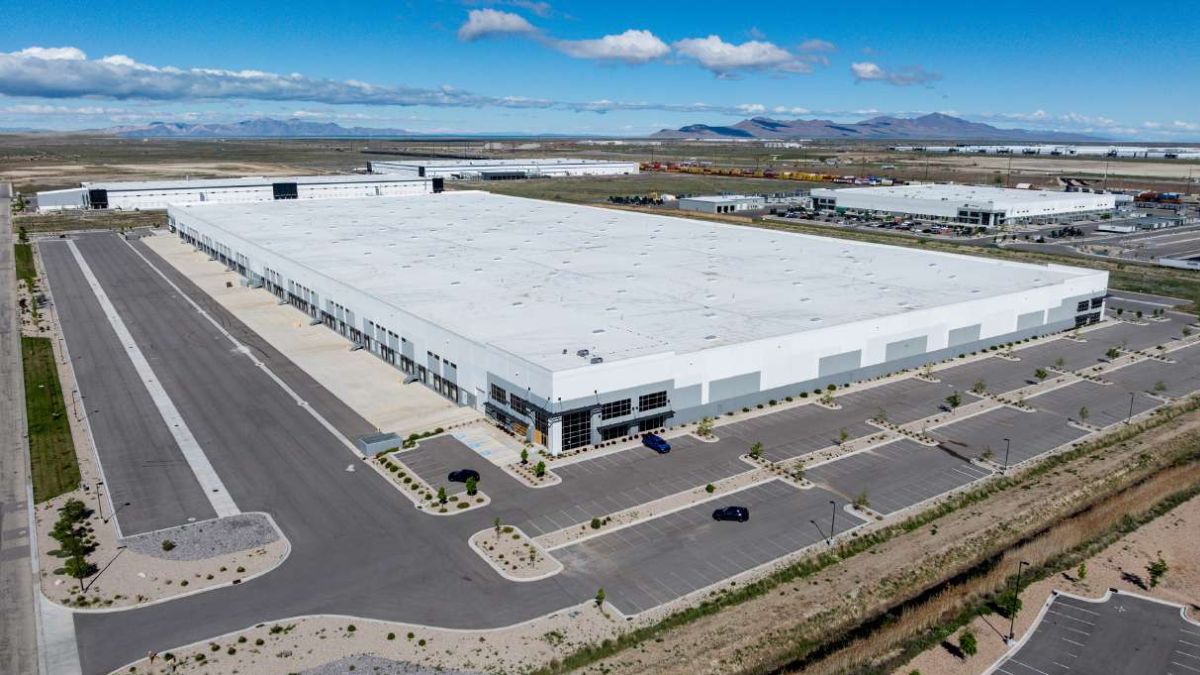
The agency now intends to sell or transfer seven of the eleven warehouses it purchased over the past year for more than 700 million dollars, abandoning a strategy that was meant to dramatically increase the government’s ability to hold migrants ahead of deportation.
The warehouses set to be given up are located in Romulus, Michigan; Social Circle and Flowery Branch, Georgia; Hamburg and Tremont, Pennsylvania; Salt Lake City; and Roxbury, New Jersey.
Four other sites in San Antonio and Socorro, Texas, Surprise, Arizona, and Hagerstown, Maryland, are still moving forward, though a federal judge has paused construction at the Maryland location.
A Plan Built for Mass Deportation Runs Into Reality
The warehouse buying spree began under former Homeland Security Secretary Kristi Noem, who pushed to put detention space directly in federal hands rather than relying on private contractors.
With ICE’s budget jumping from roughly 8 billion to 28 billion dollars after Congress approved new funding, officials believed they had finally solved their biggest obstacle to large-scale deportation: a lack of beds.
Border czar Tom Homan had said the administration hoped to reach 100,000 detention beds by the end of 2025, though ICE topped out around 70,000 earlier this year.
New Homeland Security Secretary Markwayne Mullin, who reportedly had doubts about the warehouse strategy from the start, has signaled he wants the agency to take a lower-profile approach to enforcement.
A department spokesperson said ICE remains focused on removing what it called dangerous criminals quickly rather than housing people in costly facilities, and said the agency is shifting toward using existing detention space through partnerships with states and counties.
Lawsuits and Local Backlash Slowed the Project
The retreat comes after ICE faced mounting legal trouble. Courts in Michigan, Maryland, and New Jersey all intervened after the agency was accused of skipping required environmental reviews before converting industrial buildings into detention sites.
In Romulus, Michigan, Attorney General Dana Nessel sued in March, arguing the warehouse sat near an elementary and middle school, bordered residential neighborhoods, and sat in a floodplain that had flooded as recently as last year.
The complaint also claimed the building did not have enough sewer capacity or restrooms for the roughly 500 detainees it was meant to hold.
Nessel said this week that ICE informed her office it would not proceed with the Romulus facility and plans to sell it, calling the decision a “fold” by federal officials less than three months after her lawsuit was filed.
Michigan Governor Gretchen Whitmer and Romulus Mayor Robert McCraight both credited local pushback and elected officials for stopping the project, though Nessel noted her lawsuit will stay open until a written agreement guarantees the site will never be used for detention.
Beyond Michigan, the inspector general at the Department of Homeland Security is separately investigating the broader warehouse purchasing program, and Justice Department officials have reportedly warned ICE that skipping environmental reviews left it exposed to further legal challenges nationwide.
Former ICE official Claire Trickler-McNulty said the effort looked questionable from the start and noted that the agency’s open-ended detention budget was likely the only thing keeping it alive this long.
It remains unclear how the reduced warehouse footprint will affect ICE’s broader detention and deportation targets going forward.