A serious heat wave is building across large parts of the country just in time for Independence Day, and federal weather officials are warning that conditions could turn dangerous for anyone planning to spend the holiday outdoors.
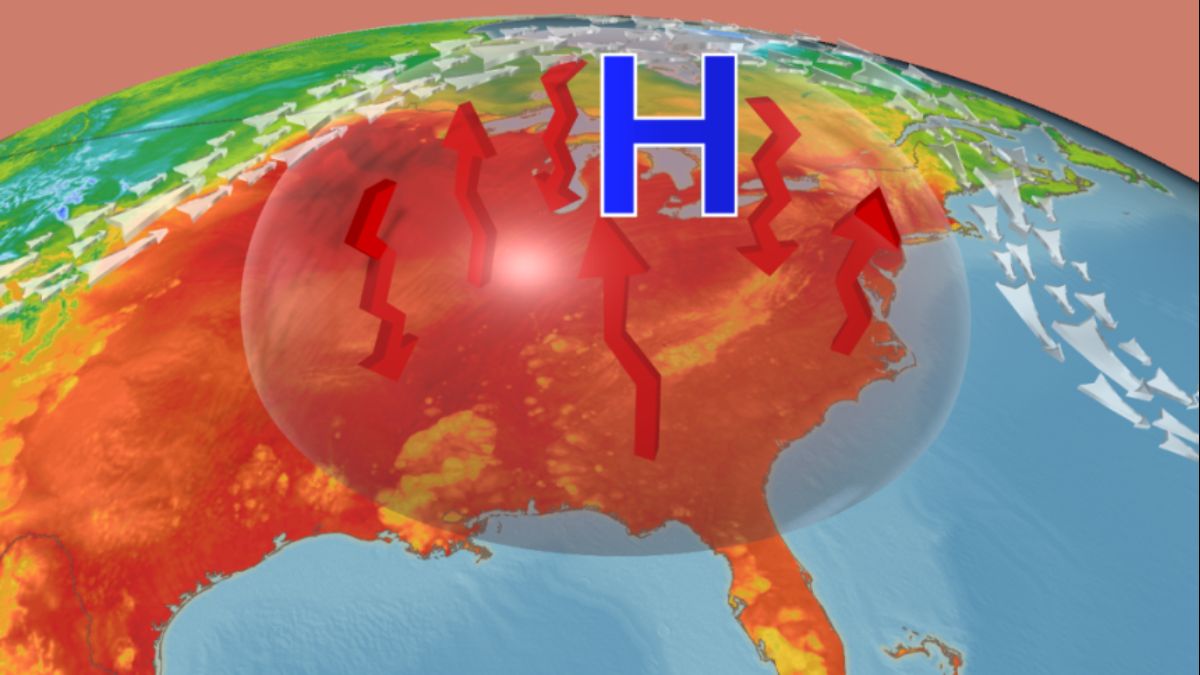
Forecasters at NOAA’s Climate Prediction Center say a strong area of high pressure currently sitting over the Southeast is on the move.
In the coming days, it will shift westward while also expanding north and northwest, pulling oppressive heat into a wide stretch of the Central, Southern, and Eastern United States.
The setup is the kind that meteorologists watch closely because it tends to lock hot air in place for days at a time, rather than letting it pass through quickly.
Mid-Atlantic Faces the Sharpest Risk
The area facing the most immediate danger is the Mid-Atlantic region, where NOAA has placed a High Risk designation on the map, meaning there’s better than a 60 percent chance of extreme heat hitting the region.
That window runs from June 30 through July 2, putting Washington, D.C., squarely in the bullseye.
Temperatures there could reach 95 degrees, and when combined with humidity, the heat index may climb to 105 degrees or higher, a level that can be dangerous even for healthy adults if they’re active outside.
Surrounding that zone is a wider Moderate Risk area, stretching through cities like Philadelphia and Charlotte, that remains in effect through the Fourth of July itself. Similarly steep heat index numbers are possible there as well.
Meanwhile, in the Texas Panhandle and parts of western Oklahoma, residents could see triple-digit heat along with a heat index near 105 degrees through July 3.
That’s a separate hot spot from the East Coast surge, but it points to just how widespread this heat event is shaping up to be.
Nighttime Heat Adds to the Danger
Beyond those higher risk zones, a broader Slight Risk area covers much of the eastern half of the country, along with parts of the Great Plains, lasting through July 6.
Daytime highs in those areas could reach at least 90 degrees, with heat index readings potentially topping 100 at lower elevations.
One of the more concerning details forecasters pointed to is the possibility of record warm overnight lows, with temperatures in some spots staying in the high 70s to low 80s even after dark.
That matters because the human body relies on cooler nights to recover from a hot day. When overnight temperatures stay elevated, heat stress can build up over several days instead of easing off, raising the risk of heat-related illness, especially for older adults, young children, and anyone working or exercising outside.
With the holiday falling right in the middle of this stretch, NOAA is urging people to take precautions.
Officials recommend cutting back on strenuous outdoor activity during peak afternoon hours, finding shade or air-conditioned spaces when possible, drinking plenty of water, and wearing light, breathable clothing.
Anyone with fireworks displays, parades, cookouts, or other outdoor Fourth of July plans may want to consider shifting activities to early morning or evening hours, when temperatures tend to be more bearable, and to keep a close eye on family members or pets who may be more vulnerable to the heat.